

 Post By Admin
 October 5, 2026
Pipe relining in Melbourne typically costs around $400 to $1,000 per metre, which lands most home jobs between $3,000 and $8,000. These figures are indicative only. The real price comes down to a CCTV inspection of your drain, which shows the pipe’s condition, length and access.
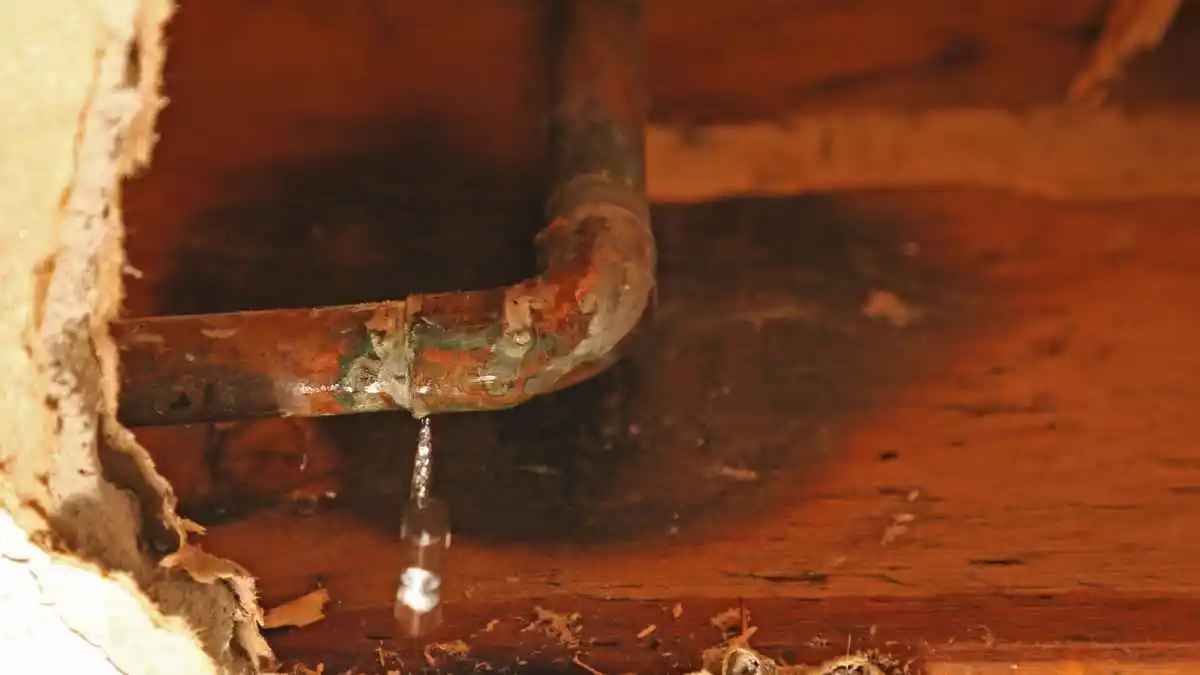
Relining repairs a damaged pipe from the inside, without digging up your yard. If you’re looking at a pipe relining service, here’s what we’ll cover: price ranges, what moves the price, what a quote should include and how to compare quotes.
Pipe Relining Cost at a Glance
The simple answer is down here. Most Melbourne jobs land in the ranges below. All figures are indicative and include GST.
| Measure | Typical cost |
| Per metre | $400 to $1,000 |
| Total for most home jobs | $3,000 to $8,000 |
Pipe Relining Cost Per Metre
Expect roughly $400 to $1,000 per metre, GST included. Larger 150mm pipes cost more than the standard 100mm house sewer because they use more material. Be careful with the per metre rate on its own, though. It can mislead because of the setup fee, which we cover below.
Typical Total Cost by Job Size
| Job size | Typical total | What it usually involves |
| Short repair (1 to 3 m) | $2,500 to $4,000 | One cracked or root-damaged spot |
| Mid-length (4 to 10 m) | $4,000 to $7,500 | A few bad joints or a longer damaged run |
| Full length (11 to 20 m or more) | $7,500 to $14,000+ | Most of the drain out to the street |
| Junction liner | $1,800 to $4,500 each | Where a branch drain meets the main line |
| Boundary trap | $3,000 to $5,500 | Repair at the property boundary |
Why Short Repairs Cost More Per Metre
Setup costs about the same whether you’re fixing 1 metre or 10. The equipment, crew, cleaning, camera work and liner preparation all get paid for either way.
For example, a 2 m repair at $2,800 works out to $1,400 per metre, while a 10 m job at $6,000 is just $600 per metre. The same setup applies to any sewer pipe relining job, so spreading it over more pipe brings the rate down.
Here’s a tip. If the camera finds more than one problem spot, fixing them in one visit can cost less than separate call-outs.
What Affects the Cost of Pipe Relining?
No two drains are the same, so the price moves with a handful of factors. Here’s what matters most.
Pipe Length and Number of Repairs
Longer runs cost more overall, but less per metre because the setup cost gets spread further. Each separate defect needs its own installation, so three short repairs cost more than one continuous run of the same total length.
Pipe Diameter
Most house sewers are 100mm. Larger 150mm pipes, which are more common on multi-unit and commercial sites, use more liner and resin, so they cost more.
Junctions and Branch Lines
Toilet, bathroom and kitchen branches may need their own liner or careful reinstating after the main reline. Junction work is usually priced per junction on top of the metre rate, so a drain with several branches adds up faster than a straight run.
Access and Depth

Deep sections, boundary traps and pipes under slabs or concrete take more time to reach, even though no digging is involved. Tight access can mean pulling a toilet pan or creating a new access point, and that labour gets added to the quote.
Pipe Material and Condition
Older clay sewer pipes crack easily and attract tree roots, which often means more prep before any lining goes in. Older clay sewer pipes are common in many Melbourne homes, so it’s worth checking what you’ve got.
Roots or heavy buildup need clearing first, usually with jet blasting. That’s an extra step, and it adds to the price.
A partly collapsed pipe may need robotic cutting before relining. A fully collapsed pipe may need a small dig at that spot, which can lift the cost noticeably.
What Should a Pipe Relining Quote Include?
A quote can look cheap on paper and still leave things out. Knowing what belongs in it makes it much easier to read, and to spot where a gap might turn into a surprise bill later.
What a Quote Usually Covers
A solid quote should spell out the full job, not just a price per metre. Look for:
- Drain cleaning or jetting before the reline
- CCTV footage before and after the work
- Liner, resin, installation and curing
- A plumbing compliance certificate, where required
- Warranty terms in writing
- GST, shown clearly either way
If any of these are missing, ask about them. It’s a fair question, and a good plumber won’t mind answering.
What Can Cost Extra

Some items sit outside a standard quote because nobody knows if they’re needed until the work begins. These are the usual ones:
- Robotic cutting for blockages or partial collapses
- Extra junction liners and new access points
- Reinstating anything removed for access
- A small excavation if a section has fully collapsed
A good quote tells you which of these are possible for your drain, and roughly what each would add. That way a variation doesn’t come as a shock.
How Much Does a CCTV Drain Inspection Cost?

The camera inspection is how a relining price gets confirmed. No honest quote comes from a phone call alone, because nobody can price what they haven’t seen. A CCTV drain inspection shows the pipe’s length, condition, junctions and access, which are the things that drive the final number.
Across Melbourne, inspections commonly run from about $250 to $350, and some plumbers offer a lower priority booking fee that comes off the repair bill if you go ahead.
If you’d like a firm price instead of a rough range, the next step is simple: get the camera in and see what’s actually down there.
Pipe Relining vs Replacement: Which Costs More?
Relining usually costs less than replacement, mostly because nothing needs to be dug up and put back. Here’s how the two compare.
Relining and Replacement Costs Side by Side
| Relining | Replacement | |
| Cost | $400 to $1,000 per metre, or $3,000 to $8,000 for most home jobs | Partial: $1,500 to $5,000. Full: $6,000 to $15,000. Complex or deep work: $15,000 to $25,000+ |
| Time | Typically shorter | Typically longer, as the trench is dug and then restored |
| Disruption | Minimal, through existing access points | Significant, with open trenches |
| What gets dug up | Usually nothing, or a small access point | Lawns, paving, concrete and garden beds |
The replacement ranges come from our sewer line replacement cost guide. Reinstating concrete, paving and landscaping is what pushes replacement costs up, and it’s often a bigger bill than the pipe itself.
When Replacement Is Still the Better Option
Relining isn’t right for every drain. A fully collapsed or badly offset pipe can’t be lined properly, because the liner needs a continuous path to run through. In those cases, replacing that section is the better fix.
The CCTV inspection will show which situation you’re in, so you’re not left guessing. If the camera says replacement is the right call, it’s worth hearing that before you spend money on a repair that won’t hold.
Who Pays for Pipe Relining?
If your drain is damaged, the first question is usually “is this my problem?” Often it is, but it depends on where the fault sits.
Property Owner or Water Authority?
In Melbourne, the water authority generally looks after the sewer up to the connection point, which is the inspection opening.
Anything upstream of that, including the pipes running through your property, is the owner’s responsibility. Melbourne Water manages the stormwater system, which is separate from your sewer.
Which authority services you depends on your suburb, so check before you assume anything. Two of the main providers are:
- Greater Western Water: formed on 1 July 2021 when Western Water and City West Water joined together.
- South East Water: a state owned corporation whose service area runs from Port Melbourne to Portsea and about 30 kilometres east of Pakenham.
Other parts of Melbourne are covered by different providers. A CCTV inspection can also show whether the fault sits on your side of the connection point or theirs.
Does Home Insurance Cover Pipe Relining?
It depends on your policy and what caused the damage. Insurers often treat sudden damage differently from gradual wear and tear, so a burst pipe might be handled one way and a drain that has slowly cracked with age another way.
We can’t give you a yes or no, because every policy is different. Check your policy documents or call your insurer before you book any work, and ask them what evidence they’d need. CCTV footage of the damage is often useful to have on hand.
How to Compare Pipe Relining Quotes
Two quotes can look similar and cover very different jobs. Run each one through this checklist so you’re comparing like with like.
- Liner type and warranty: Is it a structural liner or a thin patch? Ask for the product warranty in writing.
- What’s included: Check that cleaning, CCTV before and after, and the compliance certificate are covered.
- GST: Confirm whether the price includes it.
- Fixed price or estimate: Ask if the price is locked in or can change on the day.
- Licence: Relining counts as drainage work under Part 4 of the Plumbing Regulations 2018, so it should be done by a licensed plumber. Look up their licence with the plumbing practitioner search before you agree to anything.
- Same scope: Compare the whole job, not just the per metre rate. A cheaper rate can hide a higher setup fee or leave out items you’d pay for later.
Pipe Relining Cost FAQs
How Much Does It Cost to Reline 10 Metres of Pipe?
A standard 10 m run typically costs $4,000 to $10,000, GST included. Many straightforward jobs sit around $6,000. Where you land in that range depends on access and junctions. Tight or deep access and extra branch lines push the price up, while a clear run with easy entry points keeps it lower.
Is Pipe Relining Cheaper Than Replacement?
Usually, yes. Relining avoids the reinstatement bill, which is the biggest cost when a pipe sits under concrete, paving or established gardens. It isn’t always cheaper, though. A short run with easy access can come out closer in price, because replacing it means very little digging and restoring.
How Long Does Pipe Relining Last?
Plumbers commonly say a properly installed liner can last up to 50 years. The exact figure depends on the product and the condition of the host pipe.
We, Neighbourhood Plumbing, offer 20 years of manufacturer warranty and 3 years of workmanship warranty. Always ask for the warranty in writing so you know what you’re getting.
How Long Does a Pipe Relining Job Take?
Most jobs finish in one day, and some wrap up within a few hours. The time includes cleaning the pipe, installing the liner and letting it cure. Longer runs, several repairs or extra prep like root clearing can stretch the job. Neighbourhood Plumbing typically fixes it within hours.
Can You Reline a Collapsed Pipe?
Sometimes. A partly collapsed section can often be reopened with robotic cutting before relining. A fully collapsed pipe may need a small excavation at that spot first. The only way to know which applies to your drain is a CCTV inspection, which shows exactly what’s happening inside the pipe.
Does Pipe Relining Need a Compliance Certificate in Victoria?
Licensed plumbers must lodge a compliance certificate for below-ground sanitary drain work regardless of value. They must also give the customer a copy within five days for work valued at $750 or more. Ask for your copy and keep it with your property records.
Conclusion
Pipe relining costs vary from drain to drain, but the price mostly comes down to three things: how long the damaged section is, how many junctions it has and how easy it is to reach. The ranges in this guide give you a starting point, though they can’t tell you what’s going on inside your pipes.
The only way to get a firm number is a CCTV inspection. Once the camera has been through, you can compare quotes properly and decide what suits your home, with no guesswork and no pressure.
Ready to Find Out What Your Drain Needs?
Wondering what your own drain will cost? Our licensed plumbers can put a camera through the pipe and walk you through your options before any work begins.
You can read more about our pipe relining service in Melbourne, or call Neighbourhood Plumbing right away on 0488 885 122.

About the Author
From unclogging the toughest drains to repairing leaking toilets, Ricky is a seasoned plumber who has brought his craftmanship to homes across Melbourne. He is passionate about sharing plumbing tips just as much as he is about fixing your plumbing issues. So, when your taps or pipes begin leaking, you know who to call.