


 Post By Admin
 June 21, 2024
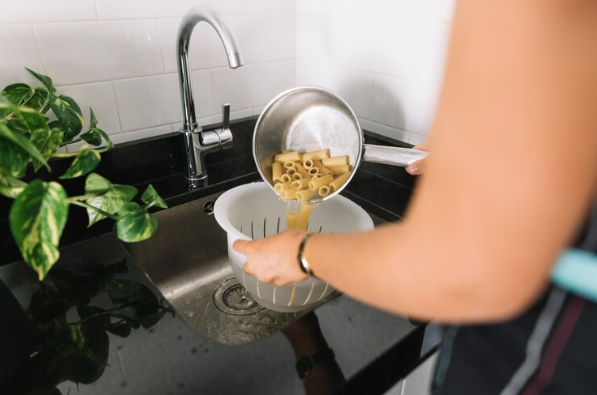
Did you ever find yourself standing in your kitchen with a steaming pot of boiling water, asking yourself this:
“Can you pour boiling water down the drain?”
Well, you are not alone.
This is a common question many Melbourne residents ponder when looking for ways to keep their sinks clean and free of blockages.
So, what’s the deal with boiling water and your drains?
Can blocked drains, in any way, be triggered by the poured boiling water?
Or, should you look up ‘plumbing services Melbourne’ and call them if the boiling water actually causes harm to your drains?
Today, we’ll delve into this topic so that you can get all the answers you need!
Is It Okay To Put Boiling Water down the Drain?
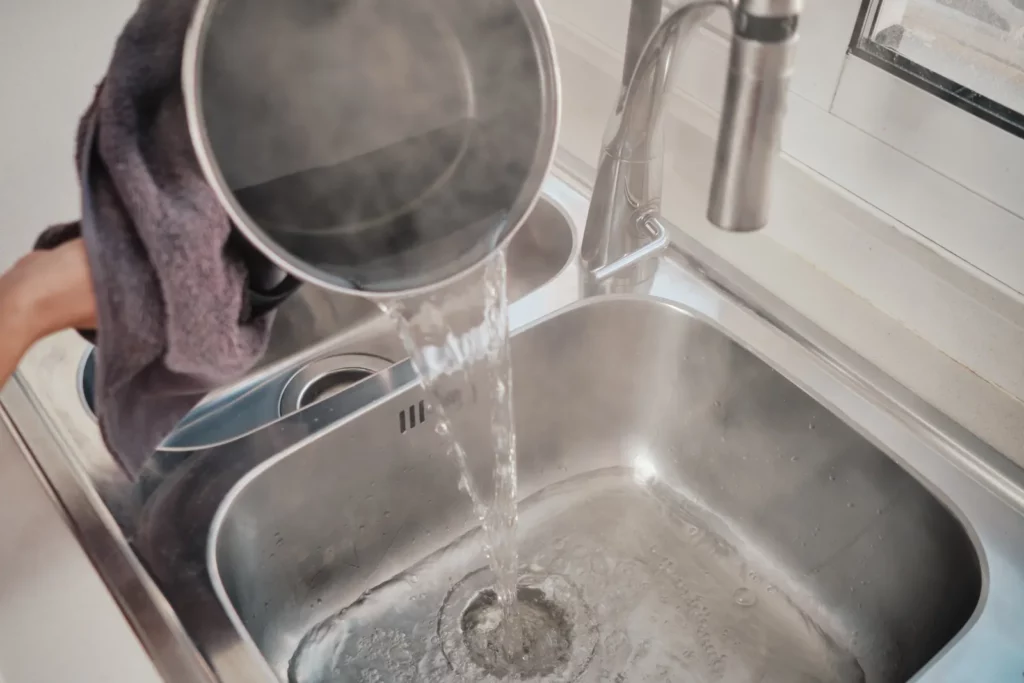
So, let’s tackle the big question: Is it okay to put boiling water down the drain?
Well, the answer isn’t as straightforward as you might think.
If what you’re dealing with is funky odors, you might be wondering how to get rid of smelly drains in the bathroom.
One solution is pouring boiling water down the drain. The water dissolves grease or soap buildup, removing the unpleasant smells.
In addition, note that the material of your plumbing system matters if you’re dealing with water drain issues that boil down.
Sure, you can clear your worries if you have metal pipes. But PVC pipes? Let’s remind you that they can warp or melt with excessive heat!
Now, you might be asking again, is it safe to pour boiling water down the kitchen sink?
Well, if your kitchen sink suffers from blockages due to food debris or grease, hot water might help dissolve the blockage. It’s only a more complicated problem if your pipes are old or made of certain plastics—you might cause more harm than good.
And if you’re still thinking, “Can I pour boiling water down the drain?”
The best practice is to do it sparingly and to be aware of what your pipes are made from. Not sure about the materials?
You can try with lukewarm or hot water (not boiling) and see if it does the trick without the risk of damaging your pipes.
Also Read: Overflowing Drain: Causes and the Fixes
Is Boiling Water Bad for PVC Pipes?
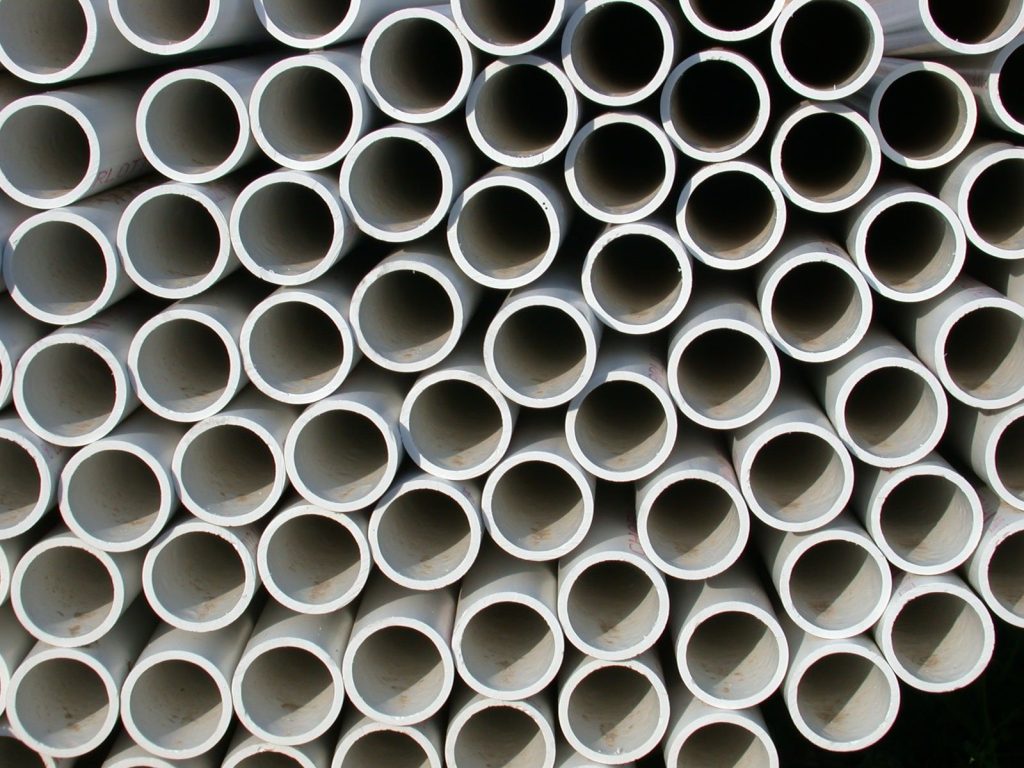
As mentioned, boiling water down the drain can melt PVC pipes. The pipes will suffer from intense heat, and as a homeowner, you’ll have leaks and costly repairs!
But what about pouring hot water down the drain made of PVC pipes? Is it a safe alternative? While it offers fewer risks, remember that even consistently high temperatures can weaken PVC over time.
So, is it safe to pour boiling water down the drain if you have PVC pipes? The short answer is no.
We highly recommend you avoid such a practice for the sake of your pipes’ longevity and functionality.
Will Boiling Water Burst Frozen Pipes?
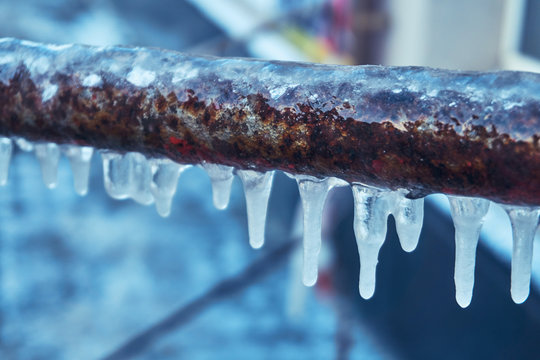
When the cold months approach, frozen pipes can be one of the first things you worry about.
Once you’re dealing with frozen pipes, you may want to try using boiling water to thaw them—considering it a quick fix.
Does it help, though?
Well, boiling water should be best kept away from frozen pipes to avoid turning a bad situation into a plumbing disaster. Let’s explain why.
The moment you hear a gurgling drain in colder months can be a sign that water is having a hard time moving through the partially thawed blockage.
Moreover, pouring boiling water down the drain to thaw frozen pipes can actually cause the pipes to expand and burst. It is due to the sudden temperature change and pressure buildup that the pipes can’t handle.
Will Boiling Water Unclog a Toilet?
While pouring hot water down the drain can help with minor clogs in sinks, toilets are a different story.
Similar to frozen pipes, boiling water can crack the porcelain bowl due to the sudden temperature change, unclogging your toilet.
So, is it bad to pour boiling water down the drain of your toilet? Yes, it is!
Instead, use a plunger or an enzyme-based cleaner to safely address the clog without risking damage to your toilet.
Also Read: Why You Should Never Use Baking Soda and Vinegar to Unclog a Drain
Key Takeaways
Let’s recap what we have covered so far to wrap things up:
Should you pour boiling water down the sink and drain it?
Yes — only if it’s minor clogs. Make sure to be extremely cautious with PVC pipes to avoid damage.
If you have plumbing issues, such as an overflowing drain, blocked drain, or burst pipes, please contact us at Neighbourhood Plumbing! Our skilled local plumbers will handle everything from minor repairs to complex work.
Call us today at 0488 885 122, or you can kindly explore our website to see how we can be of the best help!

About the Author
From unclogging the toughest drains to repairing leaking toilets, Ricky is a seasoned plumber who has brought his craftmanship to homes across Melbourne. He is passionate about sharing plumbing tips just as much as he is about fixing your plumbing issues. So, when your taps or pipes begin leaking, you know who to call.