


 Post By Admin
 July 2, 2024
Experiencing a seemingly minor yet irritating issue is often beyond words. When this problem arises in crucial areas of your home, such as the toilet or kitchen, its impact is magnified.
A blocked drain can swiftly turn your daily routine upside down, setting off a cascade of additional complications. Each new problem that follows worsen the frustration, making it clear that such inconveniences are anything but trivial.
The unmistakable odour of a smelly bathroom drain assaults your senses, while the gurgling drain creates an unsettling echo throughout your bathroom.
Take a moment to breathe deeply and stay calm. You are on the verge of discovering how to unblock the shower drain. Not only will you address the gurgling drains, but you’ll also restore tranquility to your bathroom. We have the strategies you need:
Inspect If Your Drain is Inside or Outside
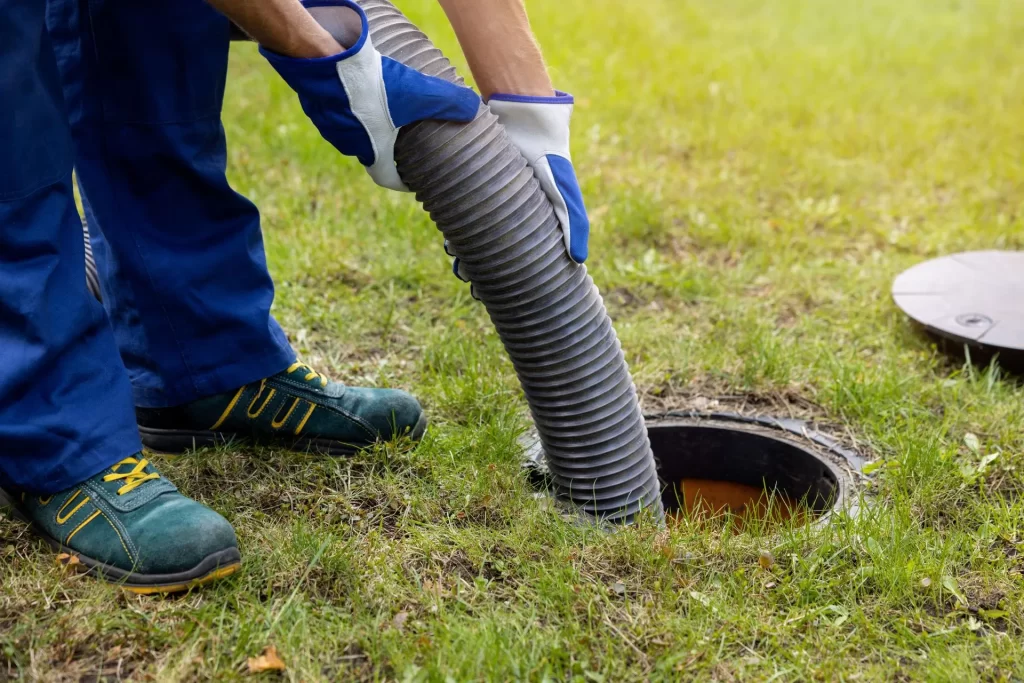
Understanding the precise location of your drain is crucial. Outdoor drains are particularly sensitive to blockages caused by soil carried by rain, intrusive tree roots, or accumulated leaves.
On the other hand, indoor drains often become obstructed by inappropriate items such as hair, tissues, food waste, or hygiene products.
These blockages can result in an overflowing drain, creating a messy and inconvenient situation.
Sadly, the solution is not as simple as pouring boiling water down the drain; more comprehensive measures are often required.
What Does Overflowing Drain Mean?
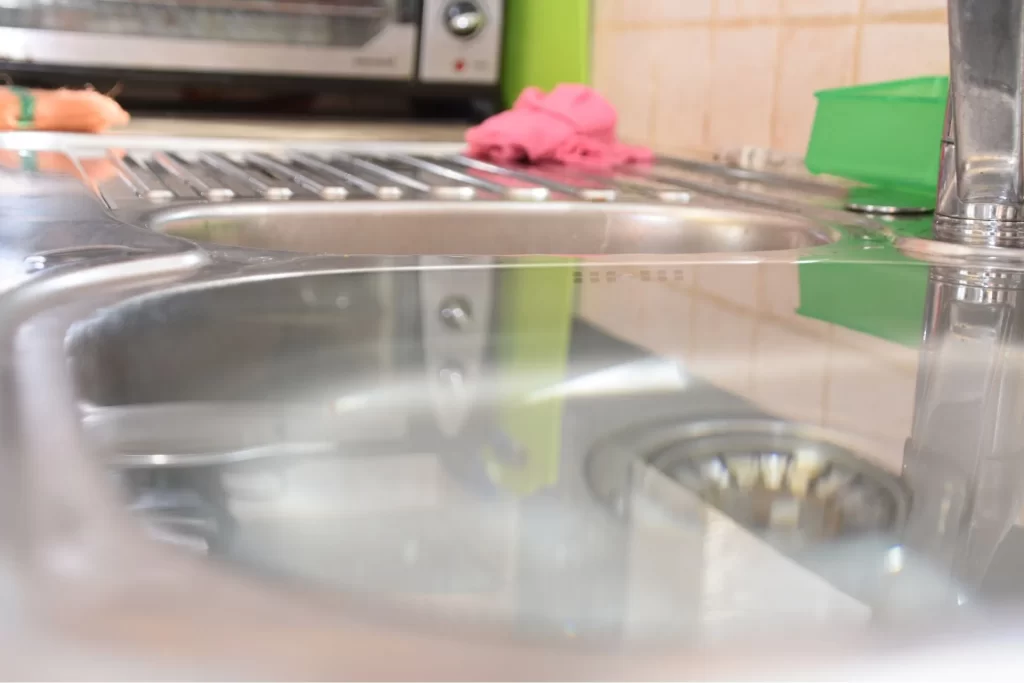
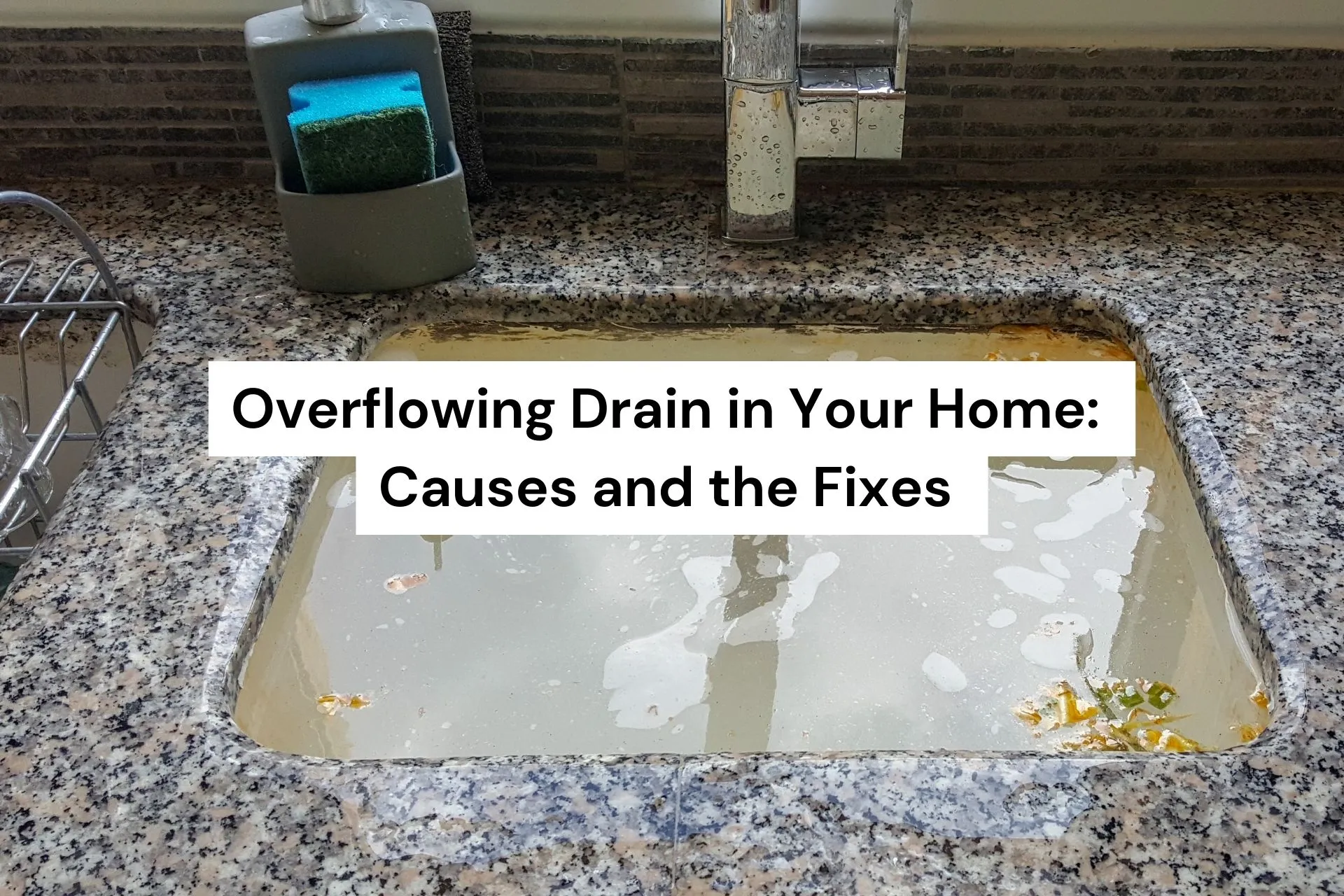
It occurs when water cannot flow freely through the pipes, causing it to back up and spill out. This can happen in any part of your home, and a clear sign is when all drains in the house are gurgling.
You might wonder, ”Why are my drains gurgling?”
This gurgling noise happens because the air bubbles are trapped in the water, struggling to escape due to the blockage. This is not just an inconvenience but can also indicate a more serious issue within your plumbing system that needs immediate attention.
Why is My Drain Overflowing?
If your toilet, kitchen, or bathroom drain is overflowing, there are several possible reasons:
Blockages
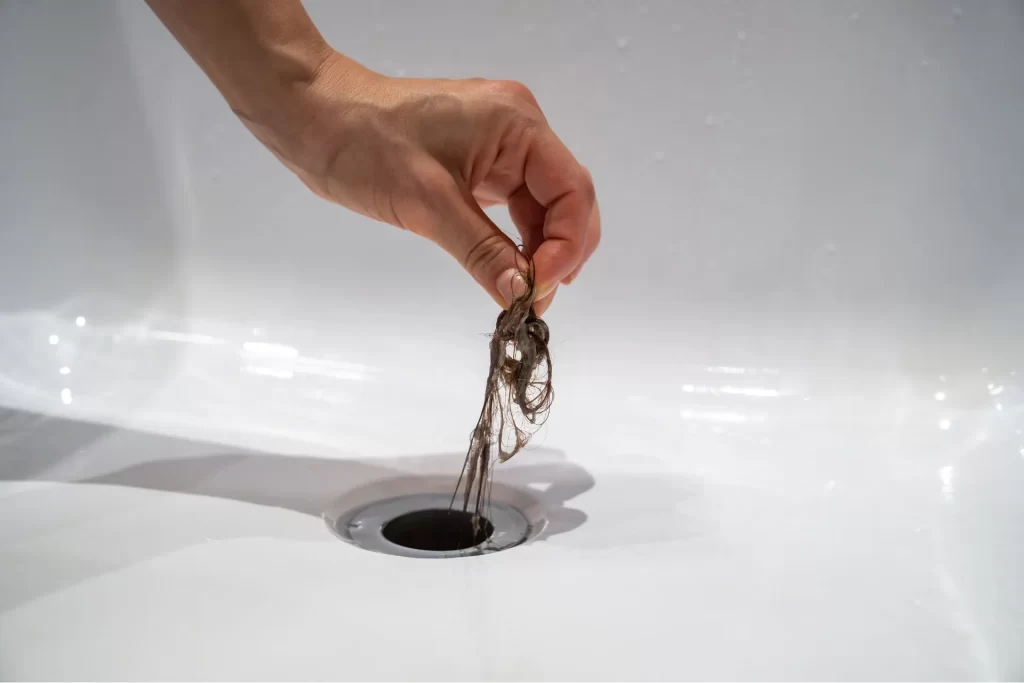
One of the most common reasons for overflowing is a blockage. This could be caused by food scraps, grease, hair, or other debris accumulating in the pipes. When the water can’t pass through, it backs up and causes overflow. Often, a blocked drain makes gurgling noises as the water struggles to get through.
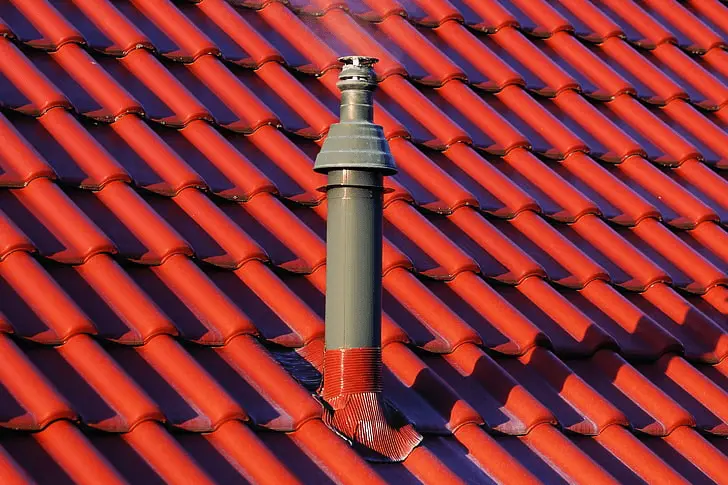
Clogged Vent Pipe
Your plumbing system relies on vent pipes to allow air to circulate, which helps water flow smoothly through the drains. If the vent pipe is clogged, it can create pressure issues, leading to overflow. This can also make your drain gurgling as air tries to escape.
Main Sewer Line Issues
If multiple drains in your home are overflowing, the problem might be with the main sewer line. Tree roots, shifting soil, or even a collapse can block the main sewer, causing water to back up into your home.
Improper Installation
Sometimes, the issue can be traced back to how the plumbing was installed. If the pipes were not laid out correctly, it can cause water to drain inefficiently, leading to overflow. If the drains are gurgling from the very beginning, it can be a sign of poor installation.
Heavy Rainfall
During periods of heavy rain, the sewer system can become overwhelmed with the excess water. This can lead to backflow into your home’s drains, causing them to overflow. For this case, usually the drains can go back to normal by themselves.
How to Fix an Overflowing Drain
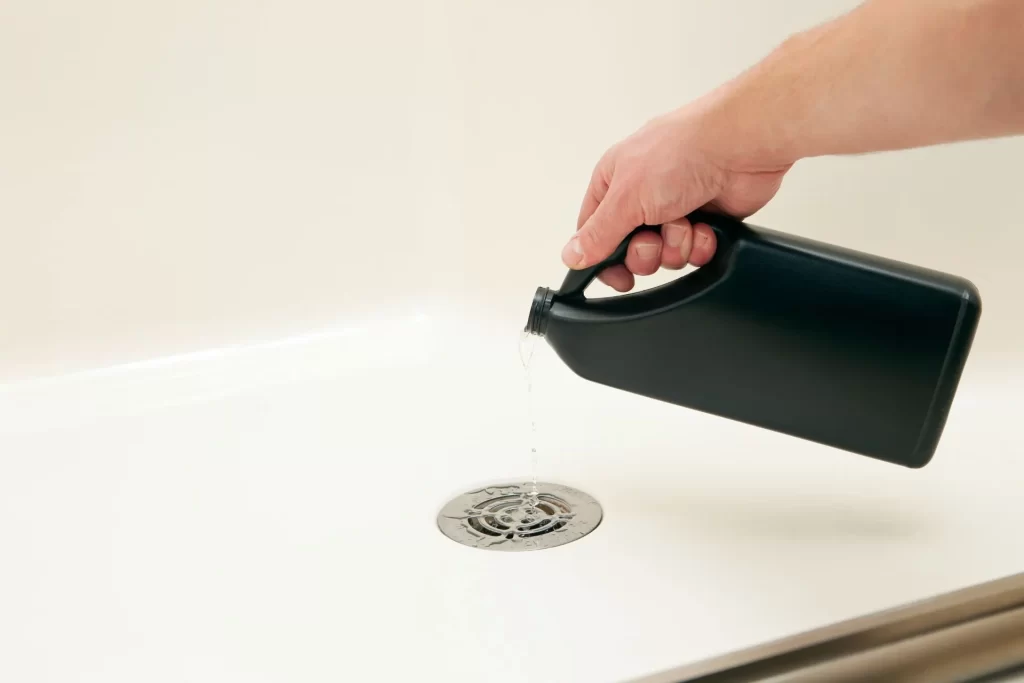
Different types of drains may require various approaches to address the overflowing issue. But how exactly should this be done?
In the kitchen
To fix an overflowing kitchen drain, there are several effective methods you can try:
1. Use Dishwashing Detergent: First, remove the strainer from the drain and pour a generous amount of dishwashing detergent down the drain—at least half a bottle. Let the detergent soak for at least ten minutes. After soaking, put the plug back in and fill the sink with hot water. Open the drain to let the water and detergent flush through, clearing grease deposits and food residue. Finally, rinse the drain with hot water for 2-3 minutes to ensure everything is fully dissolved.
2. Use Baking Soda and Vinegar: Pour a cup of baking soda down the drain, followed by a cup of vinegar. Allow the mixture to fizz and work for about 15 minutes. Once the time is up, rinse the drain with hot water to clear the loosened debris. This combination helps break down organic materials and can clear minor clogs effectively.
3. Plunge the Drain: Place a plunger over the drain, ensuring a good seal. Plunge vigorously several times, creating pressure to dislodge the clog. Check to see if the water starts to drain; if not, repeat the process. Plunging is effective for dislodging blockages caused by food particles or other debris.
4. Clean the P-Trap: Place a bucket under the P-trap to catch any water that might spill. Unscrew the trap and remove any debris or buildup inside it. Rinse the trap thoroughly before reattaching it. Cleaning the P-trap can remove stubborn clogs that are not accessible from the sink.
In The Bathroom
To fix an overflowing bathroom drain, you’ll need a few basic tools and a bit of patience. Follow these steps to address the issue effectively:
- Remove the Drain Cover: Start by removing the drain cover. Be careful not to drop the screw, as it can be difficult to retrieve from inside the drain.
- Clear Debris with a Plastic Bag: Once the cover is off, use a plastic bag to scoop out any visible debris. This will help prevent the clog from worsening and is a simple way to clear the surface of the drain.
- Create a Hook with a Metal Hanger: Next, take a metal hanger and cut it to create a straight piece of wire. Bend one end into a small hook. This makeshift tool will allow you to reach deeper into the drain and pull out any clogs or hair that may be causing the blockage.
- Clean as Much as You Can: Use your hook to fish out as much debris as possible. Be thorough and patient, as this step is crucial in resolving the overflow issue.
If you’re also wondering about how to fix gurgling shower drain, the above method can help, as clearing out clogs often addresses gurgling sounds as well. Regular maintenance and natural cleaning methods can keep your bathroom drains flowing smoothly.
In The Toilet
Fixing the overflowing toilet drain isn’t as scary as you might think, but it definitely requires skills. You can master it by following these steps:
- Stop the Water Flow: Quickly locate the toilet’s shutoff valve, usually found behind the toilet near the wall. Turn the valve clockwise to stop the flow of water. If you can’t find the valve or it’s stuck, remove the tank lid and lift the float to prevent more water from entering the bowl.
- Use a Plunger: Place a plunger over the toilet drain, ensuring a good seal. Push down and pull up firmly, repeating this motion several times. The pressure created by the plunger can often dislodge the blockage causing the overflow. If you hear water gurgling, it means the blockage is starting to move.
- Employ a Toilet Auger: If the plunger doesn’t work, use a toilet auger (also known as a plumber’s snake). Insert the auger into the drain and turn the handle to push it through the blockage. This can break up or retrieve whatever is clogging the drain.
- Clean Up and Test: After clearing the blockage, flush the toilet to ensure the water drains properly. Keep an eye out for any signs of water gurgling, which can indicate a partial blockage or other issues in the plumbing system. Clean up any spilled water and sanitise the area to maintain hygiene.
Conclusion
If those methods do not resolve the issue of an overflowing toilet drain or if you notice persistent gurgling in your pipes, it may indicate a more complex plumbing issue. In such cases, it’s wise to seek professional assistance.
Neighbourhood Plumbing knows how to fix gurgling gurgling pipes and more complicated problems you might have in your plumbing system. Contact Neighbourhood Plumbing today!

About the Author
From unclogging the toughest drains to repairing leaking toilets, Ricky is a seasoned plumber who has brought his craftmanship to homes across Melbourne. He is passionate about sharing plumbing tips just as much as he is about fixing your plumbing issues. So, when your taps or pipes begin leaking, you know who to call.